
First let me say that I am a fan of the self working effects of John Bannon and of Nick Trost. “Poker Pairadox” is basically the same effect/method has “Court Card Conclave” published by Trost in “Subtle Card Creations”, the main difference being the number of cards used. Bannon’s effect uses the court cards and the aces, for a total of 16 cards, and Trost uses just the court cards.
Continúa leyendo "Poker Pairadox by John Bannon"CARD TRICKS BY BELT LEVEL
I asked an AI to develop a web page for practicing card tricks and techniques. The page lets you randomly pick a trick/technique. This is the list the AI came up with. I have posted the web page at https://robertjwallace.com/cardtrick/tricks.html. I don’t agree with all of what the AI came up with and will be editing the tricks. Feel free to play with the page and if you have tricks you want to add, let me know.
Continúa leyendo "CARD TRICKS BY BELT LEVEL"Dice Prediction
This is another effect described by Matt McGurk on his youtube channel. You can find that at https://youtu.be/uxczhiTb9J0?si=65CU-LfJ-X6JnBLi. Below is a description of the trick followed by my modifications and notes.
The Effect
A spectator shuffles a deck of cards. The magician takes them back briefly to remove a “Joker,” then writes a secret prediction and hides it under a glass. While the magician’s back is turned, the spectator rolls two dice and performs a series of randomizing steps to arrive at a secret number. They then deal cards based on that number and the final dice roll. Miraculously, the card they land on perfectly matches the magician’s prediction.
Continúa leyendo "Dice Prediction"
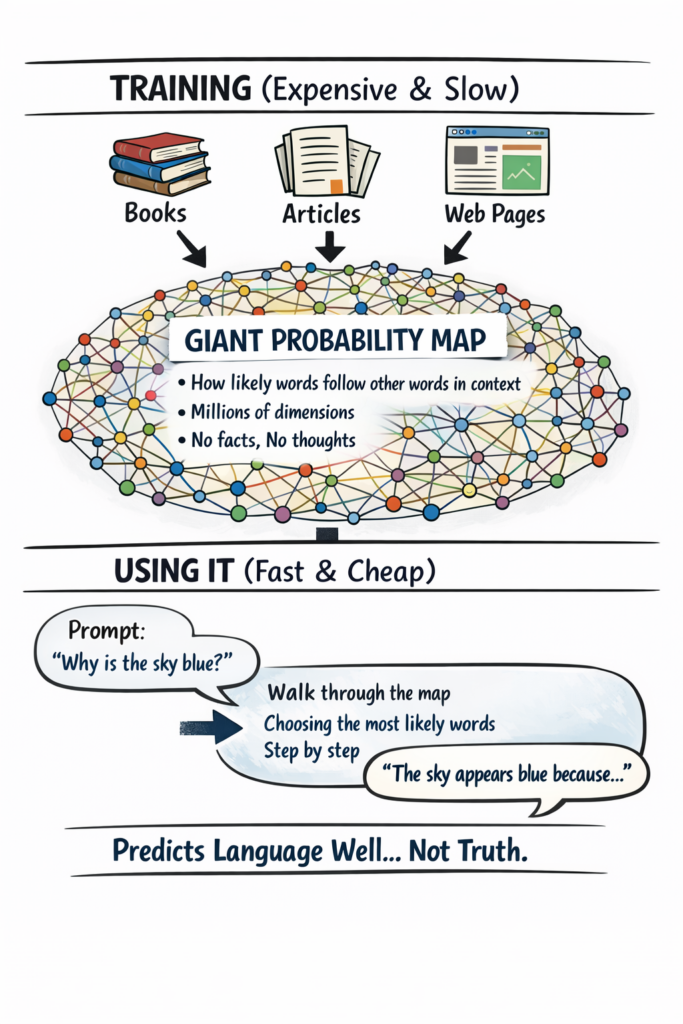
Elevator Pitch: What is AI
SearchCipher – my latest phone app
The original Akronym effect (created by Yves Doumergue and available from Conjuring Lab) uses Wikipedia – spectators navigate through Wikipedia articles, clicking on random links and selecting words from the article titles they land on. Through letter extraction, their name is revealed. It’s a clever effect that has earned strong reviews from professional mentalists.
Continúa leyendo "SearchCipher – my latest phone app"Magic Random Number Generator
This is another android phone app that I wrote with AI using the Cordova platform. This was completely coded by the AI. Basically it is a random generator for randomly selecting numbers, rolling dice, or picking cards. But with a twist. The magician can control the outcomes.
Continúa leyendo "Magic Random Number Generator"The Dream Lock & The “Cut Deeper” Force
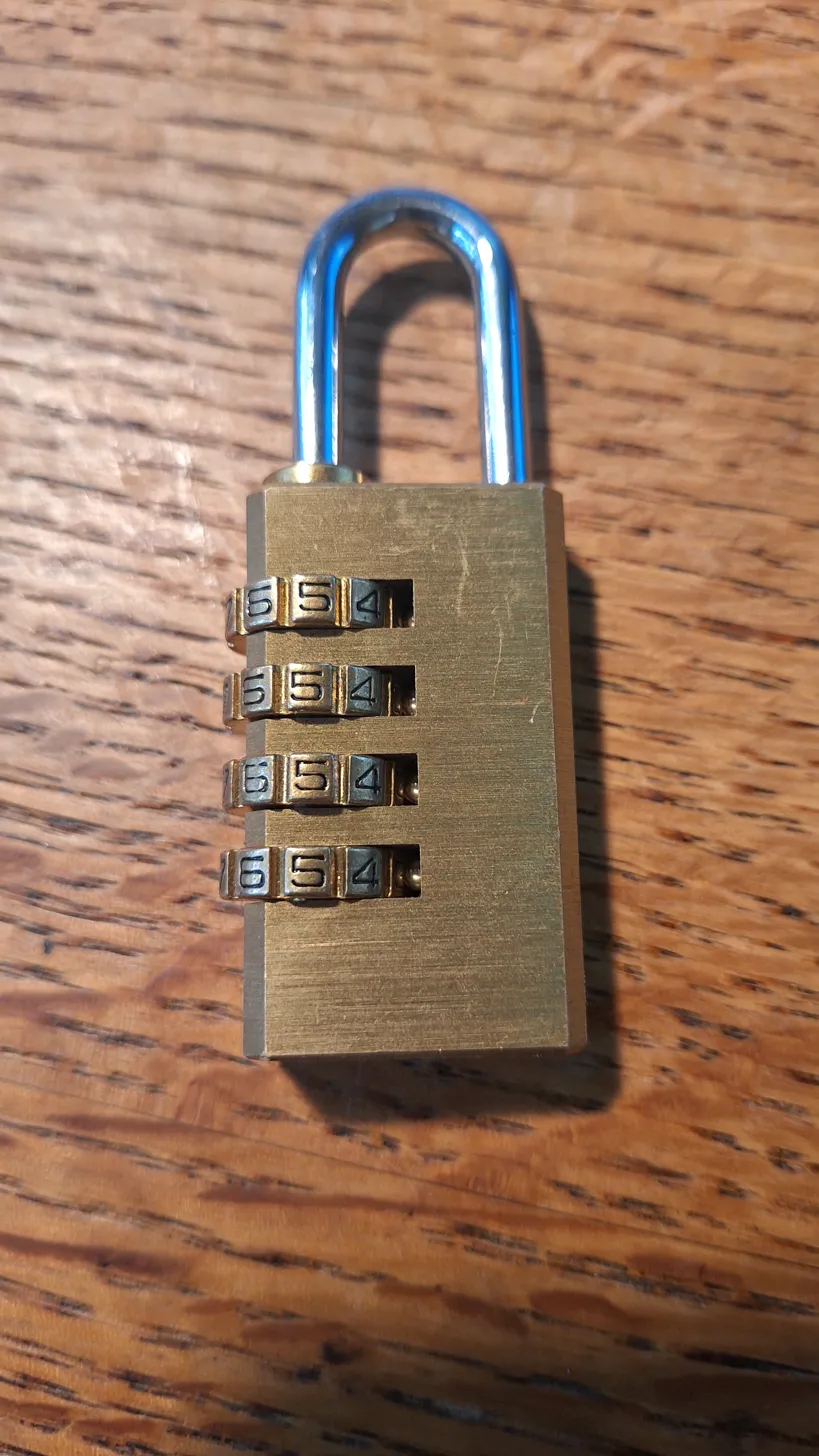
I recently found an old “Dream Lock,” a four-wheel combination lock with a unique feature: it can be rigged to open using only two of the four dials. This meant I needed a reliable way to make a spectator select my two target numbers out of four digits they would pick.
I decided to use the classic “Cut Deeper” Force from card magic.
Continúa leyendo "The Dream Lock & The “Cut Deeper” Force"Ghost Card: Another Android based Magic Effect
This is another Android app the I created using Claude.ai and Cordova. I started by asking the AI for some ideas for apps. One that it suggested was a “Ghost Card” app where the spectators chosen card magically appears on an image that was just taken with your phones camera. Two hours later I had a working app. Most of that time was spent in making tweaks and enhancements to the app.
Continúa leyendo "Ghost Card: Another Android based Magic Effect"Mind reading phone app and more
Imagine showing your spectator a deck of cards laid out in an app on your phone. There are two buttons, “Shuffle” and “Flip Cards”. You demonstrate how the buttons work. The cards are face up and you shuffle them several times. The spectator sees the cards are shuffled. You flip the cards face down and shuffle again. You set the phone down and turn away, telling the spectator to touch any of the face down cards. They do, and their selection is turned face up. You have them concentrate on that card and then you read their mind, revealing the card. You can immediately repeat the effect.
Continúa leyendo "Mind reading phone app and more"New Android Trick App
The Future of Card Magic is Digital
You’ve just performed the perfect classic card trick: a spectator selects a card, keeps it secret, and you’re ready for the big reveal. But instead of fumbling through your deck, you pull out your phone, launch your QR code app, and hand it to them. “Scan this,” you say. “Yesterday, I had a strange feeling… that your card would be chosen.” They scan the code, open the dedicated webpage that pops up, and there it is: their chosen card, staring back at them from the screen. Forget the deck—the future of impossible prediction is now woven into the digital world.
Continúa leyendo "New Android Trick App"