
Since I was able to use AI to write a python based system for creating and posting AI generated cars I decided that I could also create a WordPress plugin to do the same.
Continue reading “Using AI to write a WordPress plugin”AI Bot for creating and posting AI generated cars.
You may have noticed a recent wave of blog posts featuring AI-generated cars. These posts are the result of an experiment: building an AI-powered bot system that automatically creates and shares this content.
Continue reading “AI Bot for creating and posting AI generated cars.”Behold the silver muscle car: a elegant approach to 1950s inspired transportation.

Powered by a supercharged V12 producing 470 HP, it accelerates from 0-60 mph in just 3.6 seconds with a top speed of 187 mph.
Key features include: premium materials, refined aesthetics, classic instrumentation, tailfins, active aerodynamics, automated parking system.
What color would you choose for this model?
#AIGeneratedCar #AutomotiveDesign #HighPerformance #1950sinspired #Elegant
Key features include: premium materials, refined aesthetics, classic instrumentation, tailfins, active aerodynamics, automated parking system.
What color would you choose for this model?
#AIGeneratedCar #AutomotiveDesign #HighPerformance #1950sinspired #Elegant
Powered by a plug-in hybrid producing 465 HP, it accelerates from 0-60 mph in just 5.3 seconds.

Key features include: flowing surfaces, ergonomic contours, experimental aesthetics, innovative construction, climate-controlled seats.
Could you see yourself behind the wheel?
#ConceptCar #DreamCar #AutomotiveDesign #Truck #PickupTruck #avantgarde #Organic #Emeraldgreen
Could you see yourself behind the wheel?
#ConceptCar #DreamCar #AutomotiveDesign #Truck #PickupTruck #avantgarde #Organic #Emeraldgreen
Powered by a hybrid inline-six producing 332 HP, it accelerates from 0-60 mph in just 5.5 seconds.
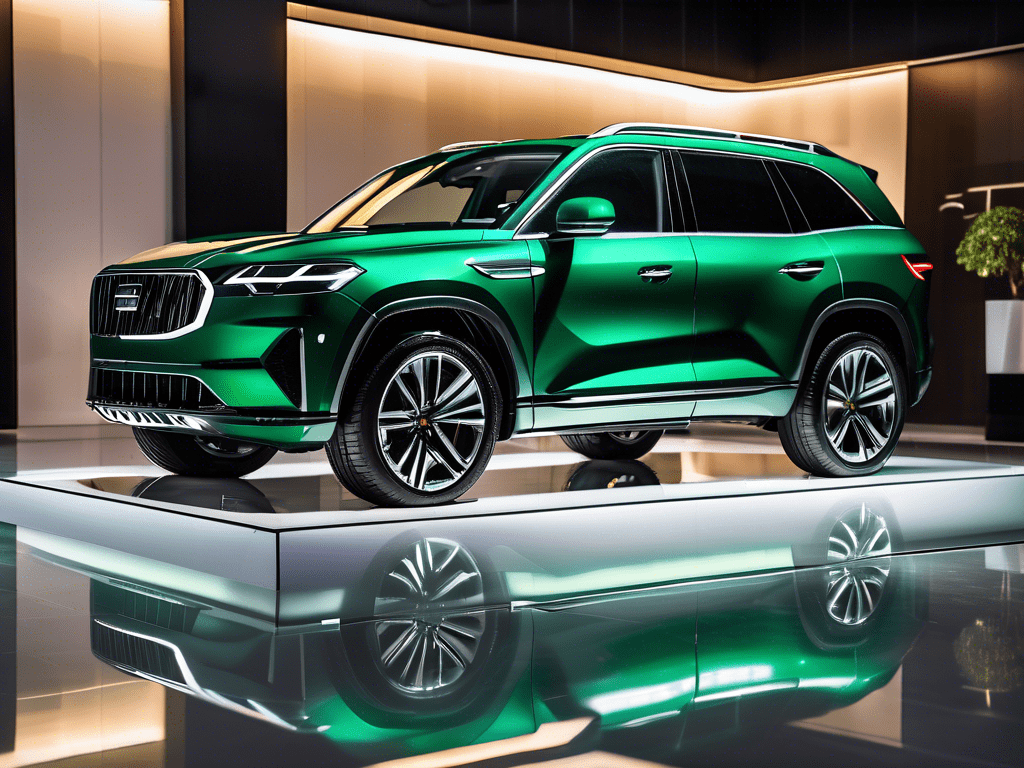
Key features include: precise angles, defined edges, digital dashboard, connectivity suite, massaging seats.
Would you drive this concept car?
#DreamCar #AutomotiveDesign #LuxurySUV #modern #Geometric #Emeraldgreen
Would you drive this concept car?
#DreamCar #AutomotiveDesign #LuxurySUV #modern #Geometric #Emeraldgreen
AI Generated Luxury – Artistic Style
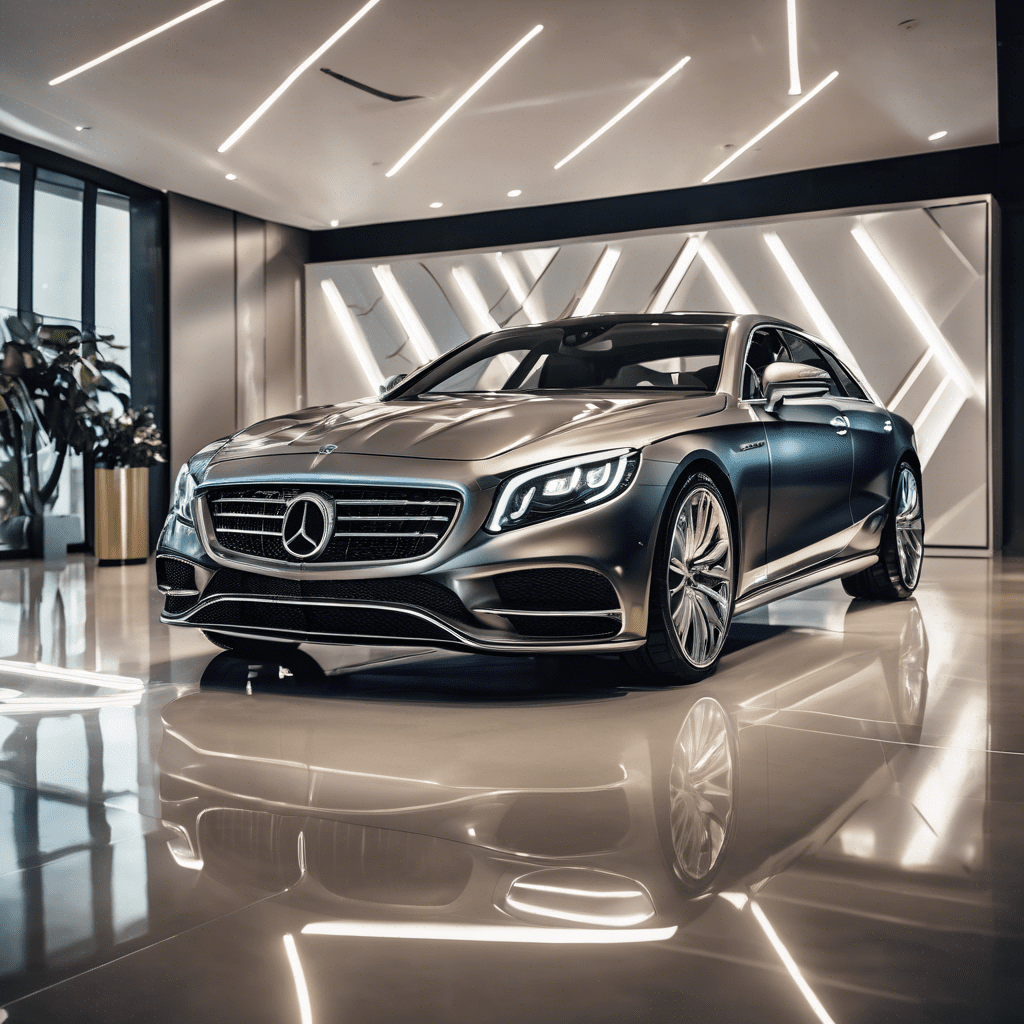
Engineered for optimal performance, this Luxury incorporates premium leather upholstery and ventilated seats technology. The 4.4L twin-turbo V8 ensures exceptional comfort.
AI Generated Sedan – Photorealistic Style
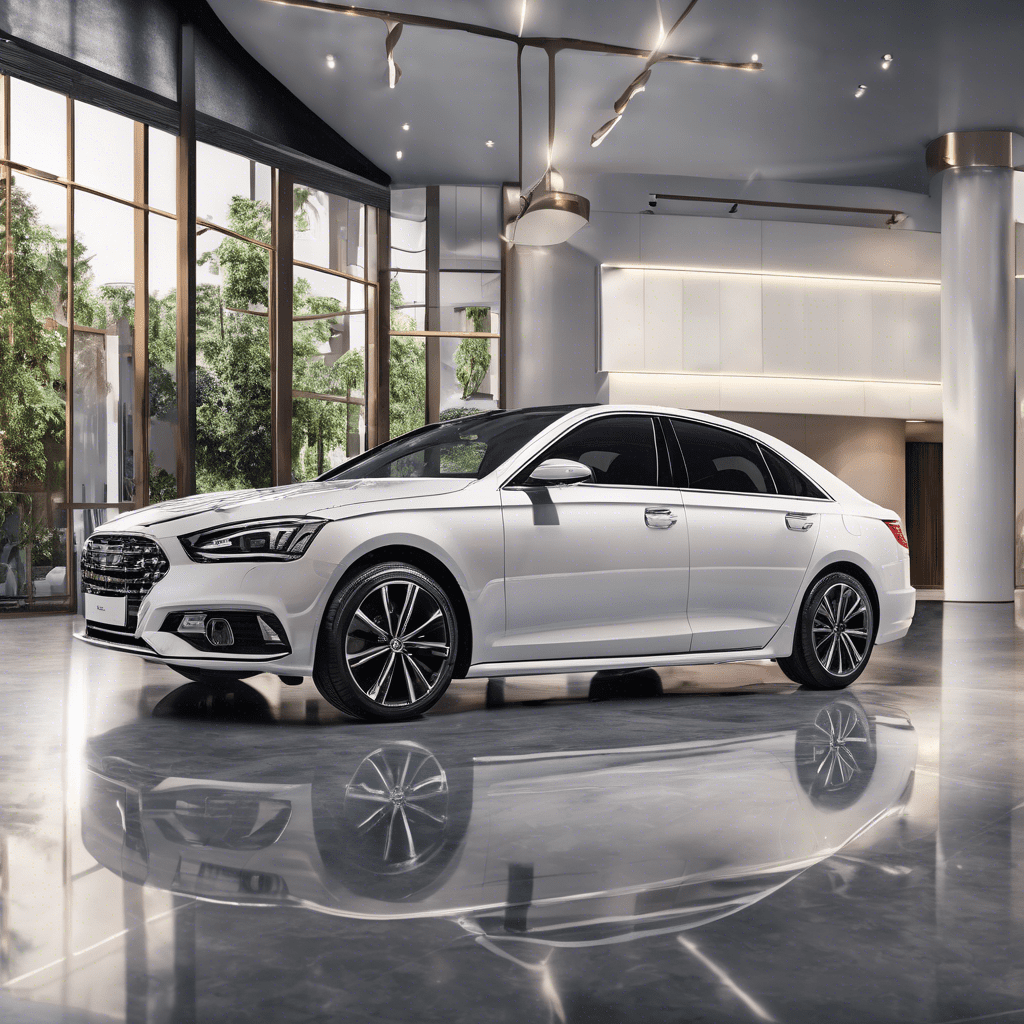
This Sedan features a 1.8L naturally aspirated 4-cylinder powertrain delivering a smooth and refined driving experience. Technical highlights include advanced safety features and advanced meticulously detailed finish systems.
AI Generated Sedan – Cinematic Style

Technical specifications of this Sedan include touchscreen infotainment system, fuel-efficient engine, and 1.5L efficient direct-injection. Performance metrics demonstrate 0-60 mph in 7.2 seconds.
Using AI to solve problems
I wanted to extract the text from a Kindle book that describes Tai Chi postures. I wanted to convert the descriptions of each posture into an easy to read numbered list that I could put into a WordPress page. The usual method would be to open each page, use the mouse to select the text and copy it using the Kindle copy button (Cntr A and Cntr C don’t work in the Kindle Reader), then open an AI and paste the contents in and ask it to convert it. Then take the converted text and copy and paste it into a WordPress page. Unfortunately in the Reader you can copy between pages, so this becomes very tedious.
Continue reading “Using AI to solve problems”Card Tracking Trick revisited
I asked an AI to analyze the math behind the 4×4 and 2×2 grid used in the Card Tracking Trick. The math also works for other square grids, although I think it would be impractical to go larger than 4×4. So what happens when you deal a 3×3 grid.